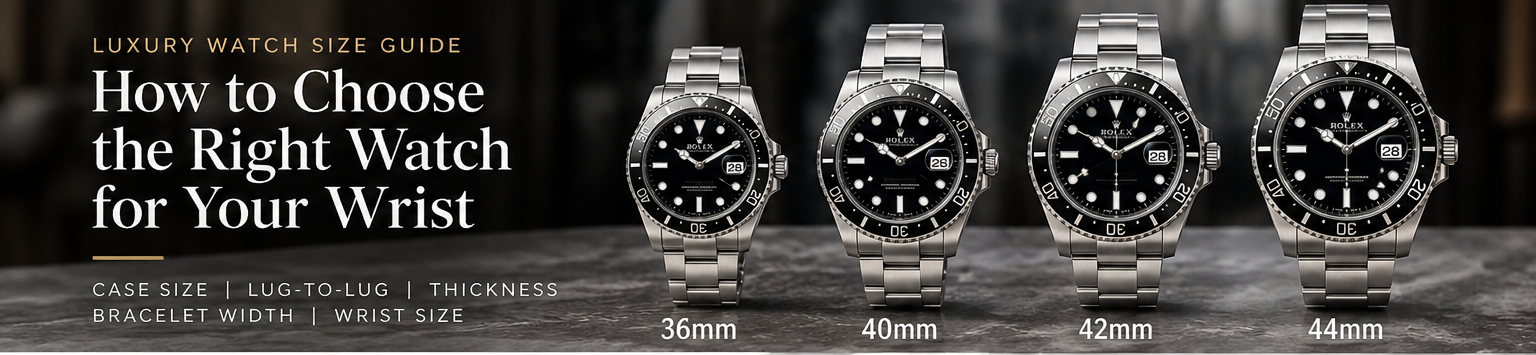
A good luxury watch size guide should help you understand much more than case diameter. Lug-to-lug length, case thickness, bracelet width and wrist proportions can all change how a watch looks and feels once it is worn.
1. What Watch Size Really Means
Watch size is often reduced to one number: case diameter. In reality, several measurements work together to determine how a watch sits on the wrist.
The most important measurements include:
- Case diameter
- Lug-to-lug length
- Case thickness
- Bracelet or strap width
- Overall weight
A complete luxury watch size guide should consider all of these measurements rather than relying on diameter alone.
2. Case Diameter: 36mm vs 40mm vs 42mm vs 44mm
Case diameter is measured across the watch case, usually excluding the crown. It is useful as a starting point because it gives a quick indication of the visual presence of the watch.
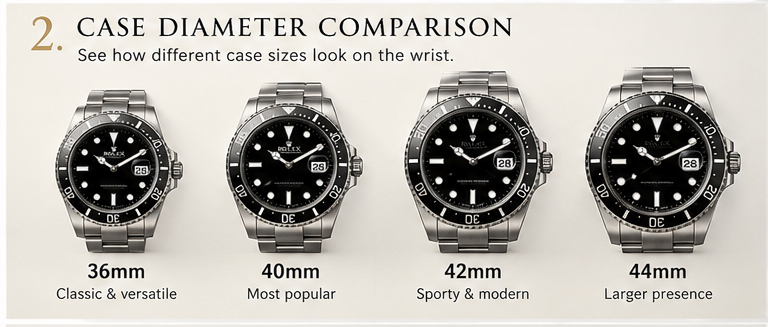
36mm
Compact and traditional. Often works well for smaller wrists or buyers who prefer a more understated look.
40mm
A versatile size that can work across many wrist shapes and watch styles.
42mm
Creates a stronger wrist presence and is common among modern sports watches.
44mm
Large and visually prominent. Proportion becomes especially important at this size.
3. Why Lug-to-Lug Length Matters More Than Many Buyers Think
Lug-to-lug length measures the distance from the end of the upper lugs to the end of the lower lugs.
This measurement often has a major impact on comfort because it determines how much of the wrist the watch occupies from top to bottom.
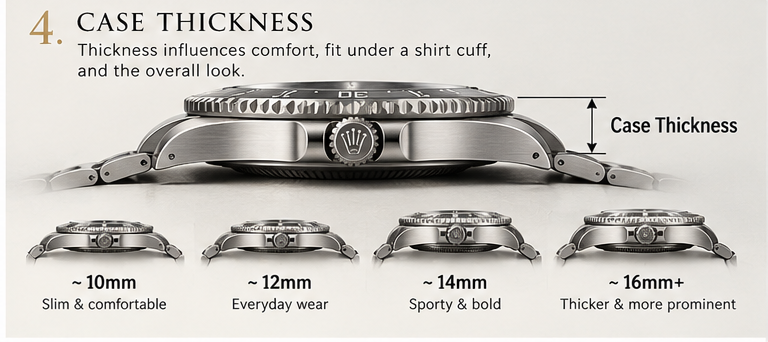
Shorter lug-to-lug measurements generally help a watch sit more comfortably on smaller wrists. Longer lugs can create a larger and more extended appearance.
When using a luxury watch size guide, compare lug-to-lug length together with case diameter rather than treating either measurement separately.
4. Case Thickness and Wrist Comfort
Case thickness affects more than appearance. It influences comfort, balance and how easily the watch fits under clothing.
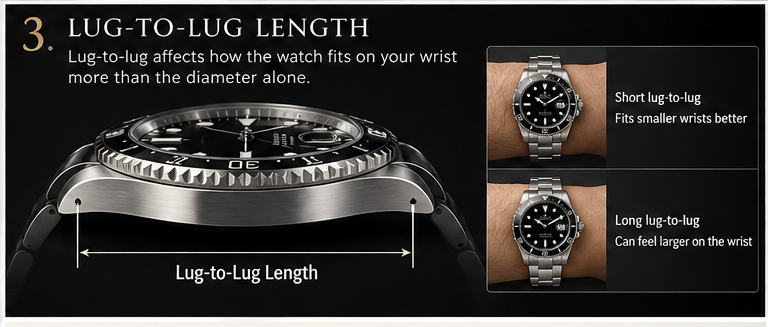
A slim watch may slide more easily under a shirt cuff and can feel lighter during long periods of wear.
Thicker sports watches often feel more substantial and may create a higher center of gravity on the wrist.
5. Bracelet Width and Overall Proportion
Bracelet and strap width influence how large or small the watch appears.
A wide bracelet can make a large case feel more balanced, while a narrow strap can make the case appear more dominant.
Tapering also matters. Bracelets that gradually become narrower toward the clasp can reduce visual weight and improve comfort.
6. How Wrist Size Changes the Way a Watch Looks
The same watch can look very different on two wrists because wrist circumference and wrist shape affect the overall proportion.
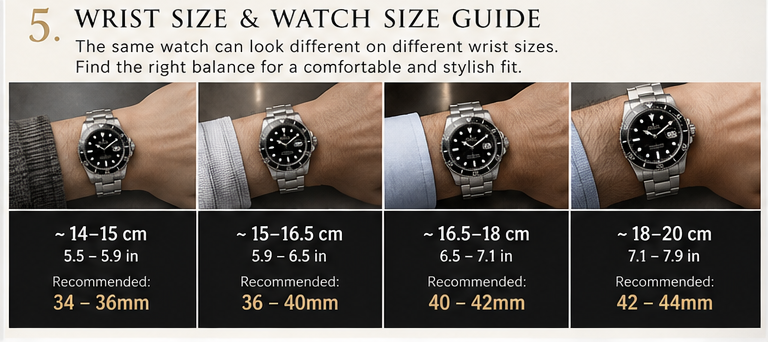
Wrist circumference can be helpful as a reference, but it should not be treated as an absolute rule.
Two people with the same wrist circumference may have different wrist shapes. A flatter wrist may accommodate a longer case more comfortably than a rounder wrist of the same circumference.
7. Why Two Watches With the Same Diameter Can Wear Differently
Two 40mm watches can feel completely different even though the specification sheet lists the same diameter.
Differences may come from:
- Lug shape
- Lug-to-lug length
- Bezel width
- Dial opening
- Case thickness
- Bracelet integration
- Caseback shape
A wide dial opening can make a watch appear larger, while a thick bezel can make the same case diameter appear more compact.
This is one reason a practical luxury watch size guide should focus on proportions rather than a single measurement.
8. How to Measure Your Wrist Correctly
You can measure your wrist using a flexible measuring tape. Wrap it around the area where you normally wear your watch.
If you do not have a flexible tape, use a strip of paper or string, mark where the ends meet and measure the length with a ruler.
Quick Wrist Measurement Checklist
- Measure where you normally wear your watch
- Do not pull the tape excessively tight
- Record the wrist circumference
- Consider whether your wrist is flat or rounded
- Compare measurements with a watch you already own
9. A Simple Watch-Fit Checklist Before You Buy
Before selecting a watch, review the main measurements together.
Watch Fit Checklist
- Check case diameter
- Compare lug-to-lug length
- Check case thickness
- Consider total weight
- Look at bracelet or strap width
- Check whether the bracelet offers micro-adjustment
- Compare the dimensions with a watch you already wear
You can also compare automatic, manual and quartz movements in our Luxury Watch Movement Guide .
10. Which Watch Size Is Right for You?
There is no universal perfect watch size. A good fit depends on wrist shape, case proportions, weight, style and personal preference.
When following a luxury watch size guide, use the measurements as a way to narrow your options rather than as strict rules.
The best size is usually the one that feels balanced on your wrist, remains comfortable throughout the day and matches the visual style you prefer.
Frequently Asked Questions
Is a 40mm watch suitable for most wrists?
A 40mm case can work well for many wrist sizes, but lug-to-lug length, thickness and overall case shape are also important.
Is 36mm too small for a men’s watch?
No. Many classic watches use 36mm cases. Whether it feels small depends on wrist size, design and personal preference.
What is more important: diameter or lug-to-lug?
Both matter. Diameter affects visual presence, while lug-to-lug length often has a stronger effect on how comfortably the watch sits across the wrist.
Can a 42mm watch fit a smaller wrist?
Yes. A compact 42mm design with short lugs may fit better than a smaller-diameter watch with very long lugs.
Final Thoughts
A useful luxury watch size guide considers case diameter, lug-to-lug length, thickness, bracelet proportions and wrist shape together. Looking at the complete set of measurements gives you a much better idea of how a watch will actually wear than relying on case diameter alone.
More Luxury Watch Guides
Explore more practical guides covering sizing, movements, ownership and buying considerations.
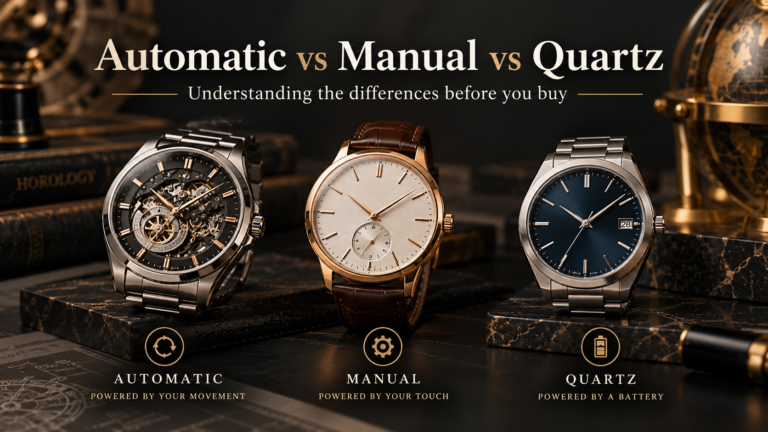
Luxury Watch Movement Guide: Automatic vs Manual vs Quartz
LUXURY WATCH GUIDES This luxury watch movement guide explains the key differences between automatic, manual-winding and quartz movements,…
Read Guide →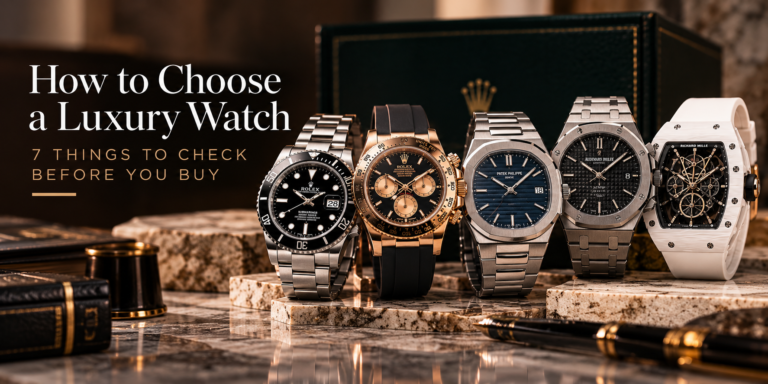
How to Choose a Luxury Watch: 7 Things to Check Before You Buy
LUXURY WATCH GUIDES How to choose a luxury watch starts with understanding much more than appearance alone. Case…
Read Guide →Hello world!
Welcome to WordPress. This is your first post. Edit or delete it, then start writing!
Read Guide →